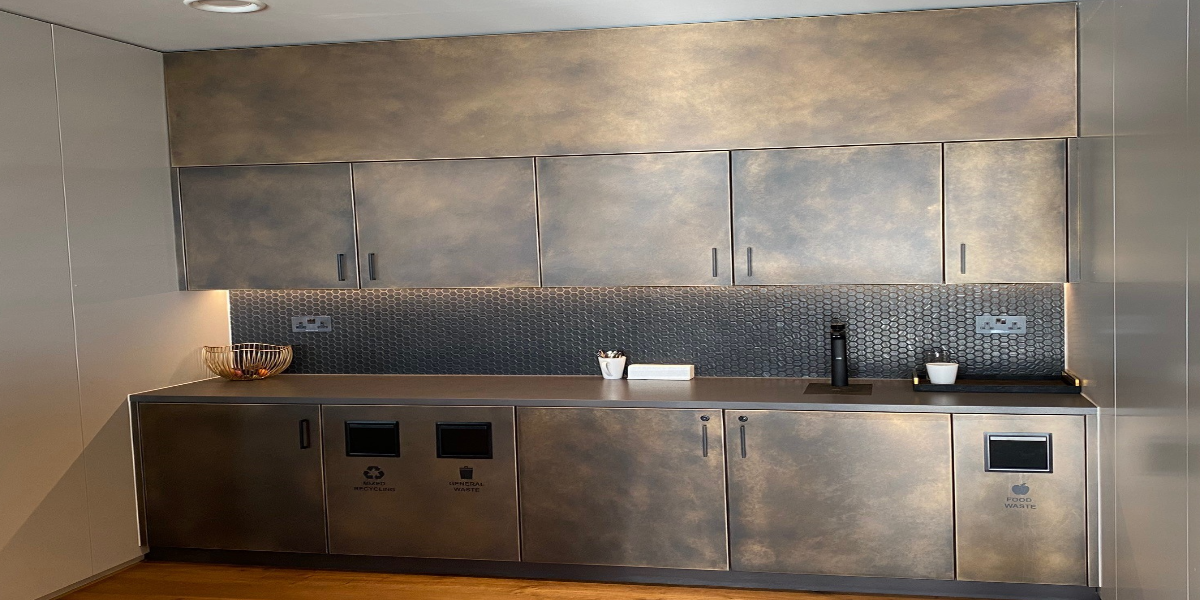
Aged and antique metal finishes are created through controlled patination of sheet metals such as brass, copper and zinc, producing distinctive aged metal sheets and patinated metal panels used across architecture, interior design and signage. These finishes are widely specified for hospitality interiors, feature walls, decorative metalwork and branding elements where designers want the warmth, depth and texture of naturally aged metal without waiting for years of natural oxidation. At Metal Sheets Ltd, we produce aged and antique finishes on sheet metal panels suitable for fabrication, laser cutting, engraving and installation. Each finish is applied by hand using specialist patination techniques, allowing designers and fabricators to achieve consistent aged metal surfaces across projects ranging from signage and splashbacks to wall cladding and architectural features.


An aged or antique metal finish is created by encouraging controlled oxidation on the surface of a metal sheet or panel. Through a combination of chemical patination, heat and finishing techniques, the surface colour and texture of the metal can be altered to produce the appearance of natural ageing.
Unlike painted or coated surfaces, patinated metal finishes remain authentic metal surfaces, meaning the colour is created through changes in the metal itself rather than through an applied coating.
Key characteristics of aged metal finishes include:
subtl
An aged or antique metal finish is created by encouraging controlled oxidation on the surface of a metal sheet or panel. Through a combination of chemical patination, heat and finishing techniques, the surface colour and texture of the metal can be altered to produce the appearance of natural ageing.
Unlike painted or coated surfaces, patinated metal finishes remain authentic metal surfaces, meaning the colour is created through changes in the metal itself rather than through an applied coating.
Key characteristics of aged metal finishes include:
subtle colour variation across the sheet
tonal depth created by natural oxidation
a surface that reflects light differently depending on angle and texture
the ability to seal the finish to stabilise the appearance
Depending on the metal used, finishes may range from warm antique brass tones to deep copper browns or dark zinc patinas.
In this image: A patinated brass plaque showing natural tonal variation created through controlled oxidation.
Aged brass sheet, antique brass sheet and patinated brass finishes are among the most visually distinctive decorative metal surfaces used in interior architecture, signage and bespoke metalwork. Through controlled patination and finishing techniques, brass can range from warm antique golden tones through to darker, richer surfaces that emphasise the natural grain and character of the metal.
At Metal Sheets Ltd, we produce aged and antique brass finishes in-house for projects where designers want the appearance of naturally aged brass combined with the co
Aged brass sheet, antique brass sheet and patinated brass finishes are among the most visually distinctive decorative metal surfaces used in interior architecture, signage and bespoke metalwork. Through controlled patination and finishing techniques, brass can range from warm antique golden tones through to darker, richer surfaces that emphasise the natural grain and character of the metal.
At Metal Sheets Ltd, we produce aged and antique brass finishes in-house for projects where designers want the appearance of naturally aged brass combined with the consistency of a controlled workshop finish. These surfaces are widely specified for decorative panels, branding features, counters and architectural details where warmth, depth and tonal variation are important to the design.
These finishes are often selected for decorative brass wall panels, signage, hospitality interiors, counters and bespoke architectural features where a more refined aged metal appearance is required.
Typical brass patina finishes include:
Antique brass finishes create a warm, slightly darkened golden tone with subtle tonal variation across the sheet. This finish replicates the look of naturally aged brass while maintaining a refined and balanced surface appearance.
Common applications include:
Aged brass finishes introduce deeper oxidation and increased tonal variation across the surface. The patination process produces a finish that appears naturally weathered while retaining the underlying warmth and colour of the brass.
This finish is often specified for:
Burnished brass combines patination with mechanical finishing techniques to highlight the texture and movement of the metal surface. The result is a richer, slightly darker brass finish with visible grain patterns and enhanced depth.
Typical uses include:
For a broader overview of brass surface treatments and decorative finishes, see our Brass Finishes guide.
In these images: Aged brass sheet showing warm antique tones and natural patina variation, alongside an interior architectural panel finished in aged brass.
Aged copper sheet and antique copper finishes are among the most characterful decorative metal surfaces used in interior architecture, signage and bespoke metalwork. Through controlled patination, copper can be transformed from its natural bright surface into rich brown, bronze and darker aged tones that replicate the appearance of naturally oxidised copper.
At Metal Sheets Ltd, we produce aged and antique copper finishes in-house using specialist patination techniques. Each finish is applied by hand, which means the exact shade, movement and tonal patte
Aged copper sheet and antique copper finishes are among the most characterful decorative metal surfaces used in interior architecture, signage and bespoke metalwork. Through controlled patination, copper can be transformed from its natural bright surface into rich brown, bronze and darker aged tones that replicate the appearance of naturally oxidised copper.
At Metal Sheets Ltd, we produce aged and antique copper finishes in-house using specialist patination techniques. Each finish is applied by hand, which means the exact shade, movement and tonal pattern will vary slightly from sheet to sheet. This variation is a natural part of the character of real patinated copper rather than a printed or coated effect.
These finishes are often specified for splashbacks, decorative panels, hospitality interiors, signage and bespoke architectural features where a warmer, darker and more atmospheric copper surface is required.
An aged copper sheet finish typically produces warm brown and bronze tones with natural depth across the surface. It is often specified where designers want the look of copper that has matured over time, without waiting for years of natural oxidation.
Common applications include:
Dark aged copper introduces deeper patina tones and stronger contrast across the sheet surface. This finish is suited to projects where a richer, more dramatic copper appearance is required, particularly in hospitality interiors, feature walls and bespoke counters.
Antique copper sheet finishes are created by deepening and refining the patina to achieve a darker, older-looking surface with visible tonal movement. These finishes are often chosen for decorative interiors, period-style projects and high-character branded environments.
These surfaces may also be described as oxidised copper sheet or oxidized copper sheet, depending on the project brief. They can be supplied as flat panels or incorporated into wider fabricated items including splashbacks, signage panels, counter fronts and decorative metal features.
Copper patina finishes can be sealed to help stabilise the colour and reduce further surface change where required. We can also supply bespoke sizes, laser cut shapes and fabricated components depending on the design.
For a broader overview of copper surface treatments, see our Copper Finishes page.
In this image: A dark aged copper splashback showing hand-applied patina variation and natural tonal movement across the surface.
Zinc is widely used in architecture and interior design because of its soft, natural patina and understated surface character. Through controlled ageing and specialist patination, aged zinc sheet, antique zinc sheet and patinated zinc finishes can be created in a range of light grey, dark grey and multi-tonal surfaces suited to decorative and architectural applications.
These finishes are often specified where designers want the appearance of naturally weathered zinc without waiting for long-term environmental exposure. The result is a more controlled de
Zinc is widely used in architecture and interior design because of its soft, natural patina and understated surface character. Through controlled ageing and specialist patination, aged zinc sheet, antique zinc sheet and patinated zinc finishes can be created in a range of light grey, dark grey and multi-tonal surfaces suited to decorative and architectural applications.
These finishes are often specified where designers want the appearance of naturally weathered zinc without waiting for long-term environmental exposure. The result is a more controlled decorative surface that still retains the character and authenticity of real zinc.
Light aged zinc finishes create a softer, paler patina effect with gentle tonal movement across the surface. This finish is often used where a more subtle aged metal appearance is required for interiors, decorative panels and design-led metalwork.
Typical applications include:
Dark patina zinc and antique zinc sheet finishes create a deeper grey surface with more pronounced tonal variation. The finish retains the characteristic softness of zinc while adding visual depth and a more mature aged appearance.
Applications include:
Multi-tonal zinc finishes combine different patina shades across the sheet surface, producing a distinctive finish with natural variation. This finish is particularly effective in larger panels where tonal movement becomes a visible design feature.
Zinc patina finishes are often specified for contemporary interiors, signage and architectural projects where a softer, more atmospheric metal surface is preferred over brighter polished finishes.
For a broader overview of zinc surface treatments, see our Zinc Finishes page.
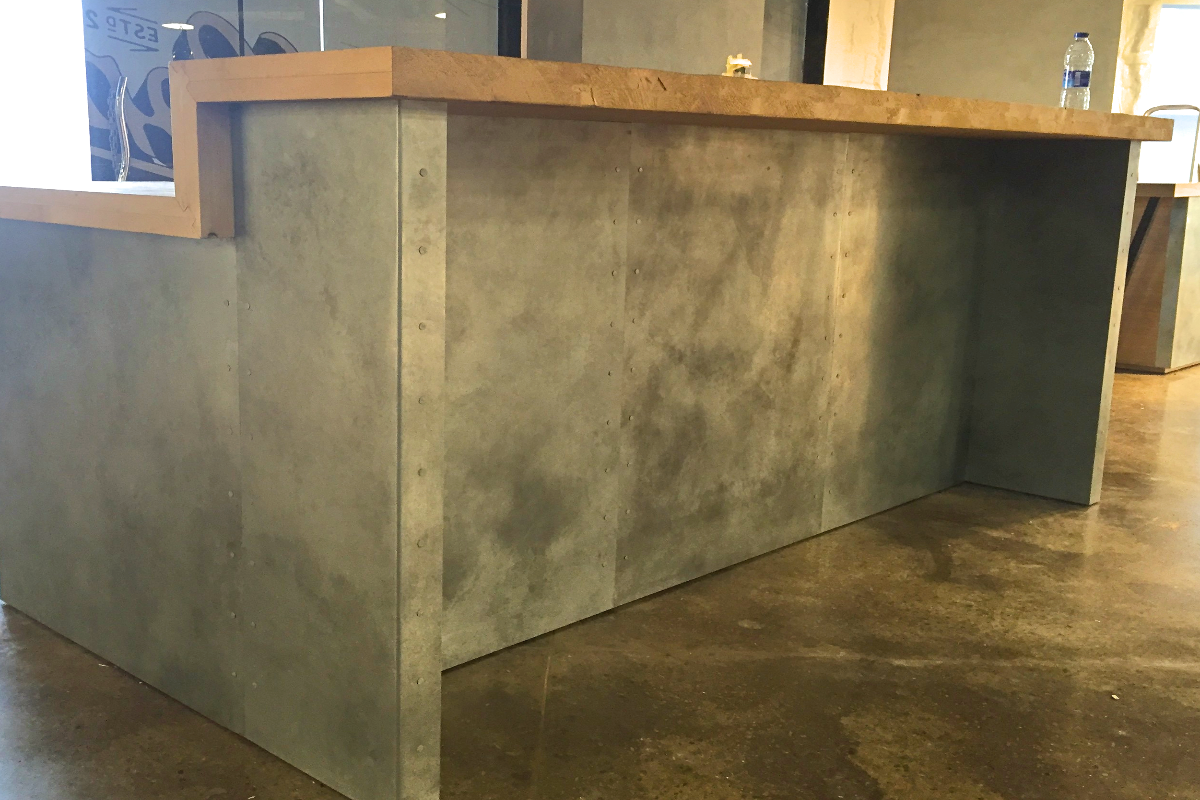
In these images: Patinated zinc sheet used for interior architectural cladding, alongside a dark patina zinc finish showing natural grey tonal variation.
Aged and patinated metal sheets are used across a wide range of design and fabrication projects.
Designers frequently specify aged metal panels for interior cladding and feature surfaces. The variation and depth created by patination help add warmth and texture to modern interiors.
Typical uses include:
wall cladding
reception counters
bar fronts
lift surrounds
decorative panels
Patinated metals are widely used for signage and branding elements. The aged finish creates a distinctive appearance wh
Aged and patinated metal sheets are used across a wide range of design and fabrication projects.
Designers frequently specify aged metal panels for interior cladding and feature surfaces. The variation and depth created by patination help add warmth and texture to modern interiors.
Typical uses include:
wall cladding
reception counters
bar fronts
lift surrounds
decorative panels
Patinated metals are widely used for signage and branding elements. The aged finish creates a distinctive appearance while maintaining the durability of solid metal.
Examples include:
engraved plaques
laser cut signage panels
logo plates
architectural wayfinding
Aged and patinated metals are also used for bespoke furniture and decorative metalwork, particularly where designers want a finish that will develop character over time.
Common applications include:
table tops
cabinet fronts
decorative furniture panels
architectural details
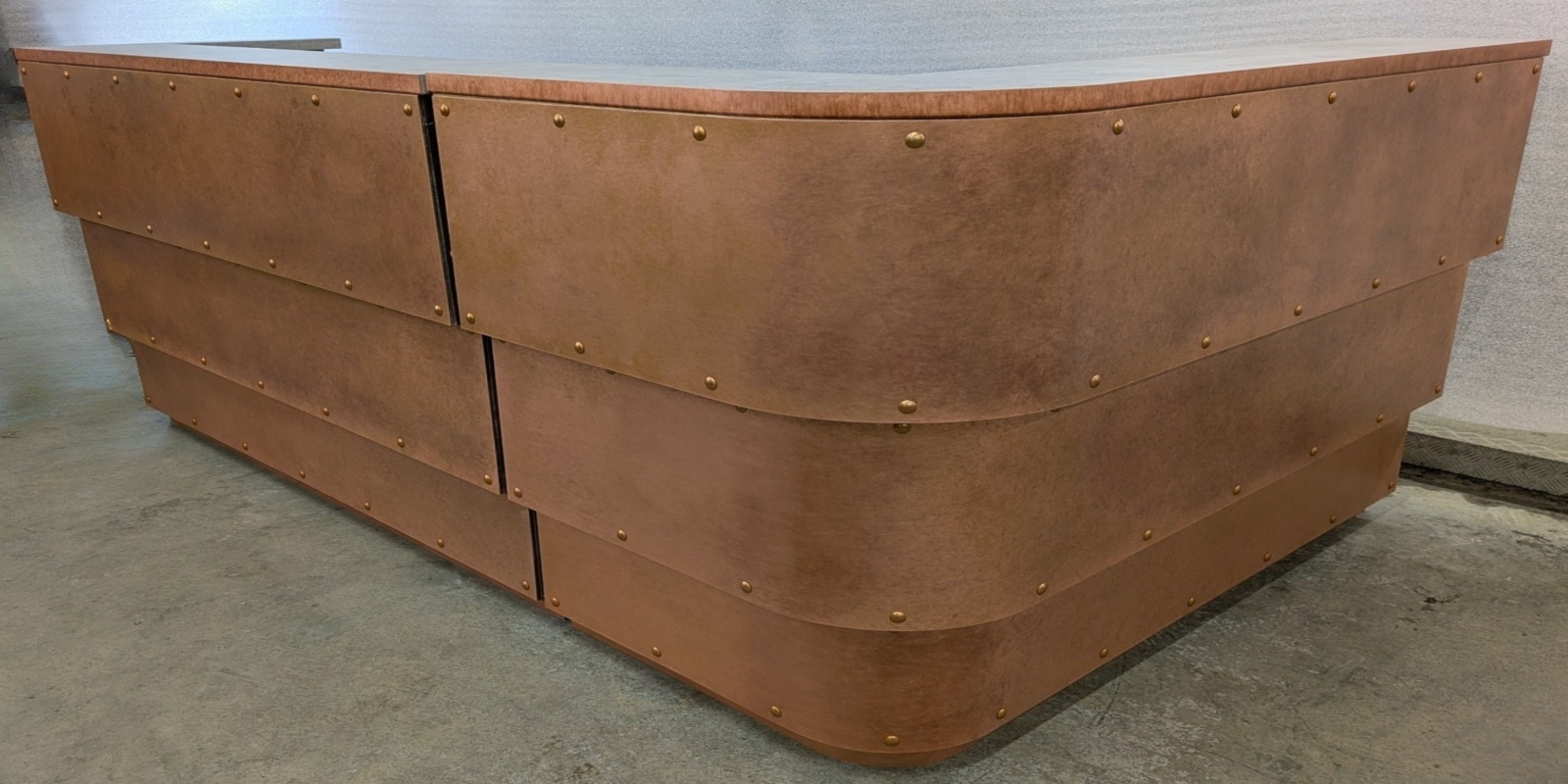
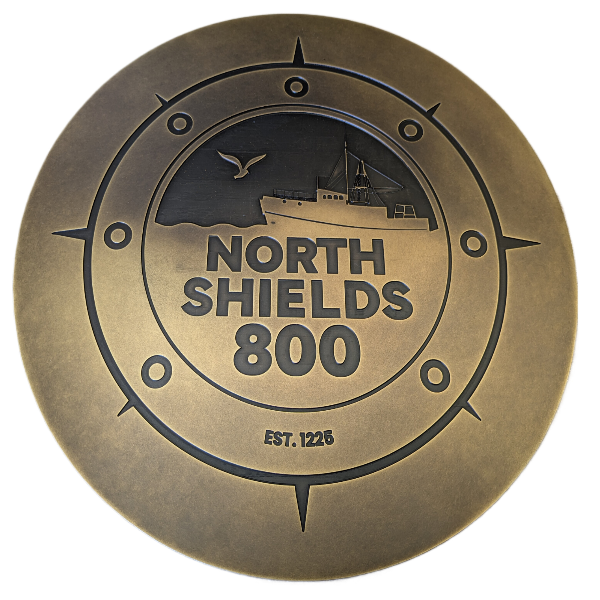
In these images: An engraved signage plaque produced from aged brass sheet with an antique patina finish, alongside a curved bar counter fabricated from aged copper sheet.
Aged and antique finishes can be applied to sheet metal panels either before or after fabrication, allowing them to be used across a wide range of architectural and design projects.
Typical fabrication options include:
Using modern fabrication methods such as laser cutting, CNC engraving and precision folding, brass, copper and zinc sheets can be manufactured into architectural panels, signage and decorative installations.
While sheet
Aged and antique finishes can be applied to sheet metal panels either before or after fabrication, allowing them to be used across a wide range of architectural and design projects.
Typical fabrication options include:
Using modern fabrication methods such as laser cutting, CNC engraving and precision folding, brass, copper and zinc sheets can be manufactured into architectural panels, signage and decorative installations.
While sheet metal can be patinated before fabrication, this requires careful handling to avoid damaging the finish during cutting or forming. In most architectural projects, best practice is to complete fabrication first and apply the patina afterwards, ensuring a consistent surface finish across the completed components.
Sheets can be supplied in a range of sizes and thicknesses depending on the requirements of the project.
In this image: Laser cut brass decorative shapes produced from sheet metal before patination, illustrating how aged finishes can be applied after fabrication.
While metals such as brass, copper and zinc will naturally develop patina over time, controlled patination allows designers to achieve the desired appearance immediately.
Natural ageing occurs slowly as the metal reacts with air and moisture. This process can take months or years depending on environmental conditions.
Controlled patina finishes replicate this process in a workshop environment using specialist techniques. This allows:
consistent colour across panels
predictable finish tones
faster installation for design projects
In many cases the
While metals such as brass, copper and zinc will naturally develop patina over time, controlled patination allows designers to achieve the desired appearance immediately.
Natural ageing occurs slowly as the metal reacts with air and moisture. This process can take months or years depending on environmental conditions.
Controlled patina finishes replicate this process in a workshop environment using specialist techniques. This allows:
consistent colour across panels
predictable finish tones
faster installation for design projects
In many cases the patina can also be sealed to stabilise the finish and reduce further surface change.
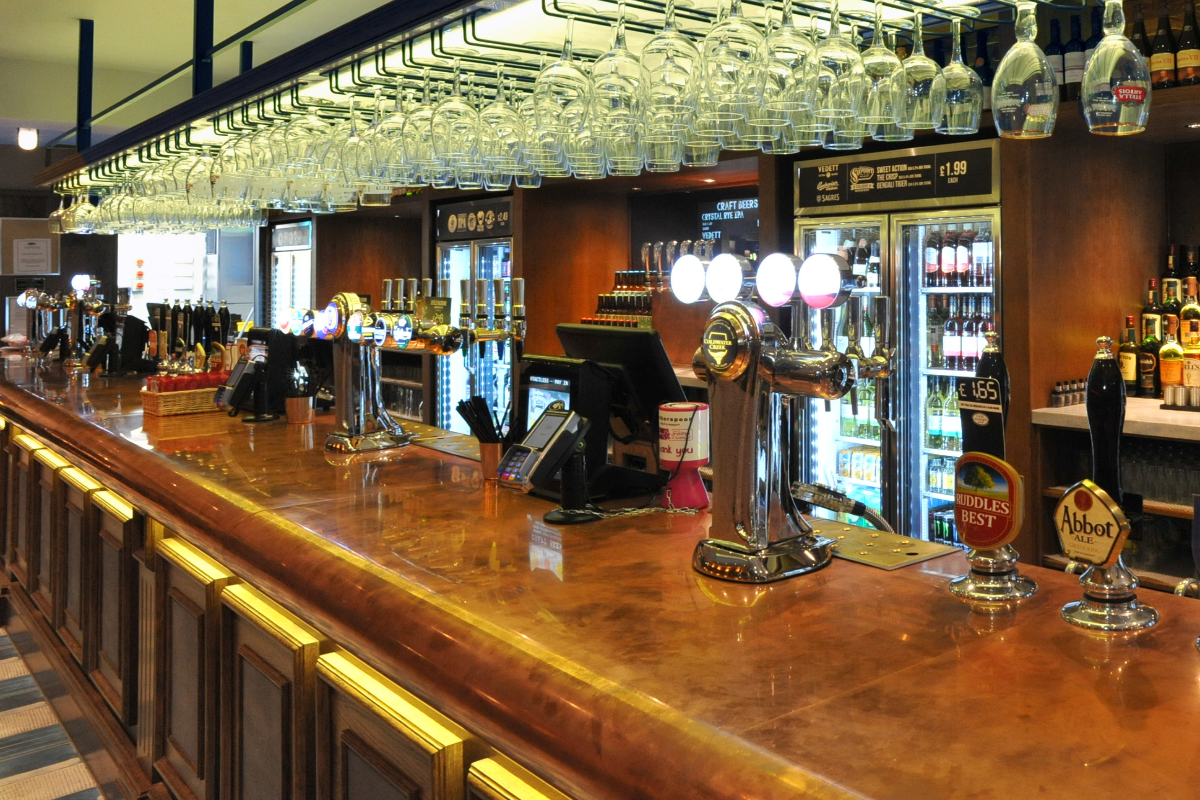
In these images: A copper bar top where natural patina has developed over time through regular use, alongside a copper panel with a controlled patina finish created in the workshop.
When specifying aged metal finishes, designers should consider several factors:
Lighting
Patinated surfaces respond strongly to lighting. Directional lighting can emphasise tonal variation and surface texture.
Finish variation
Because aged finishes are created through oxidation, subtle variation between sheets is normal and often desirable.
Sealing options
Some projects benefit from sealing the finish to stabilise colour and simplify maintenance.
Material selection
Different metals produce different patina characteristics. Brass tends to create warmer tones,
When specifying aged metal finishes, designers should consider several factors:
Lighting
Patinated surfaces respond strongly to lighting. Directional lighting can emphasise tonal variation and surface texture.
Finish variation
Because aged finishes are created through oxidation, subtle variation between sheets is normal and often desirable.
Sealing options
Some projects benefit from sealing the finish to stabilise colour and simplify maintenance.
Material selection
Different metals produce different patina characteristics. Brass tends to create warmer tones, while copper and zinc often produce deeper and cooler finishes.
Some finishes also combine patination with mechanical surface treatments. For examples of these surfaces see our guide to Burnished Metal Finishes.
In this image: A curved reception desk clad in aged copper sheet, showing natural patina variation across fabricated panels.
What is an antique metal finish on sheet metal?
An antique metal finish is created by encouraging controlled oxidation on the surface of a metal sheet to replicate the appearance of natural ageing.
Do aged metal finishes continue to change over time?
They can continue to change slightly depending on the environment. Sealing the finish can reduce further oxidation.
Can patinated metal sheets be used for signage and architectural panels?
Yes. Aged brass, copper and zinc finishes are commonly used for signage panels and engraved plaques.
Can aged metal finishe
What is an antique metal finish on sheet metal?
An antique metal finish is created by encouraging controlled oxidation on the surface of a metal sheet to replicate the appearance of natural ageing.
Do aged metal finishes continue to change over time?
They can continue to change slightly depending on the environment. Sealing the finish can reduce further oxidation.
Can patinated metal sheets be used for signage and architectural panels?
Yes. Aged brass, copper and zinc finishes are commonly used for signage panels and engraved plaques.
Can aged metal finishes be sealed?
Yes. Clear lacquers or wax finishes can be applied to stabilise the appearance.
What metals can be supplied as aged or antique metal sheets?
Aged finishes can be applied to several non-ferrous metals including brass, copper and zinc sheet. Each metal develops a different patina character, from warm antique brass tones to deep copper browns and darker zinc finishes.
In this image: A reception counter finished with aged brass metal panels in a contemporary hospitality interior.
If you have a project requirement and would like to make some initial enquiries, please get in touch. Please contact us via email sales@metalsheets.co.uk, give us a call on 0151 526 4777, or fill the contact form. We’re looking forward to hearing from you.
Alternatively, shop safely and securely and purchase sheet metals via this website.